Are you tired of your living room looking too perfect and predictable? What if you could create a space that feels unique, inviting, and full of personality—without spending a fortune?
Mixing mismatched living room furniture might be the secret you didn’t know you needed. It’s not about chaos; it’s about harmony in contrast. In this guide, you’ll discover simple ways to blend different styles, colors, and textures so your living room becomes a true reflection of you.
Ready to transform your space and impress everyone who walks in? Let’s dive in.
Credit: www.hgtv.com
Choosing A Color Palette
Choose a color palette that ties your mismatched furniture together for a balanced look. Use two or three main colors to create harmony and guide your design choices. This helps different pieces feel connected without matching exactly.
Choosing a Color Palette Selecting a color palette can transform mismatched furniture into a cohesive look. Colors create harmony and balance in your living space. Focus on blending shades that complement each other. Make sure your palette reflects your personality and style.Balancing Bold And Neutral Shades
Bold colors add energy and excitement to a room. Pair them with neutral shades to avoid overwhelming the space. Neutral colors provide a calming effect, balancing vibrant tones. Use neutral walls to highlight colorful furniture pieces. This creates an inviting atmosphere.Using Patterns To Tie Pieces Together
Patterns can unify mismatched furniture in your living room. Choose patterns that share a common color or theme. This connection helps tie disparate pieces together. Mix stripes, florals, or geometric designs for a dynamic look. Patterns add texture and depth, enhancing visual interest.Mixing Different Furniture Styles
Mixing different furniture styles in your living room can create a unique and inviting space that reflects your personality. It allows you to break away from uniformity and add character through contrasting designs. The key is to balance the styles so they complement rather than clash.
Combining Modern And Vintage
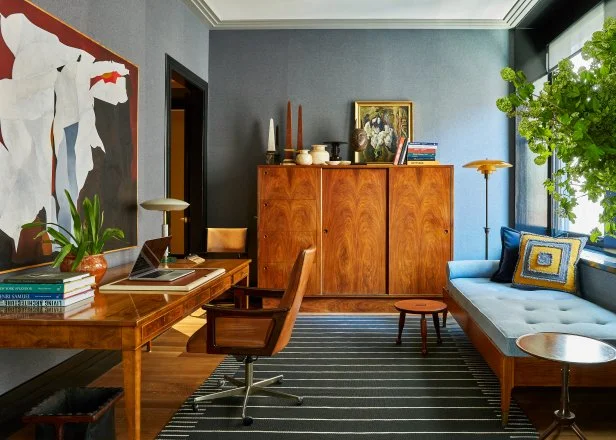
Pairing modern pieces with vintage finds brings an interesting contrast that feels fresh yet nostalgic. You might place a sleek, minimalist sofa next to a classic, ornate armchair. This contrast highlights the best features of both styles and adds depth to your room.
Think about color coordination to link these pieces together. A bold modern rug can ground an antique coffee table, making both stand out without competing. Have you tried mixing eras in your space before? You might discover a new favorite look by simply adding a retro lamp to your contemporary setup.
Blending Textures And Materials
Texture plays a huge role in making mismatched furniture feel intentional. Combining smooth leather, rough wood, soft fabrics, and shiny metals creates a rich sensory experience. Your eyes and hands get to explore different surfaces, which keeps the room engaging.
Try mixing a rustic wooden side table with a velvet armchair or a glass coffee table with a woven rug. This variety prevents the space from feeling flat or boring. What textures do you naturally gravitate toward? Start there and layer in contrasting materials for balance.
Arranging Furniture For Flow
Arranging furniture for flow helps create a smooth and inviting space. It guides movement naturally and makes the room feel balanced. Proper placement avoids clutter and opens pathways for easy walking. This is especially important in a mismatched living room where styles vary. Thoughtful arrangement blends different pieces into a harmonious setting.
Creating Conversation Areas
Group seating close enough for easy talk. Chairs and sofas should face each other or form a circle. Keep space between pieces enough to move comfortably. Use side tables near seats for drinks or books. Avoid lining all furniture against walls. Pull some pieces inward to invite gathering. This encourages interaction and warmth in the room.
Using Rugs And Accessories To Connect
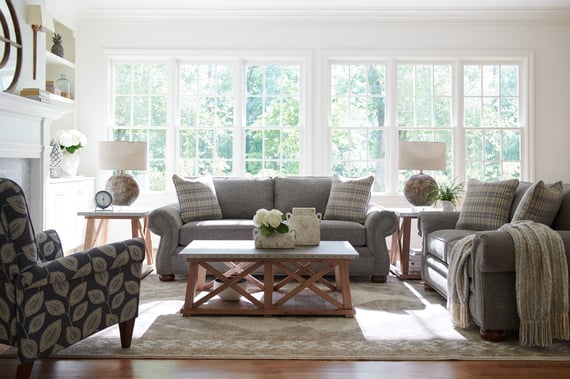
Rugs anchor furniture and define zones. Choose rugs that fit under key furniture legs. This ties mismatched pieces together visually. Use cushions, throws, and lamps in similar colors or patterns. Accessories bridge different styles and add comfort. Place items thoughtfully to create harmony. Small details help the room feel unified and cozy.
Selecting Statement Pieces
Selecting statement pieces is key to creating a mismatched living room that feels cohesive and stylish. These pieces stand out and give your space character. They bring life and personality without making the room look chaotic. Choose items that catch the eye and reflect your taste. Balance bold designs with simpler items to keep harmony. Statement pieces can be anything from a unique chair to a striking table. The goal is to create a focal point that draws attention and sparks conversation.
Highlighting Unique Chairs And Sofas
Chairs and sofas are perfect for statement pieces because they anchor the room. Pick chairs with unusual shapes or bright colors to add interest. Patterns like stripes, florals, or geometric prints work well too. A vintage armchair or a modern sofa with clean lines can contrast beautifully. Mixing different styles creates a lively and inviting atmosphere. Make sure the pieces are comfortable and fit the room size. A bold sofa paired with simpler chairs balances the look.
Incorporating Eye-catching Tables
Tables can be artful and functional statement pieces. Choose tables with unique materials like glass, metal, or reclaimed wood. Shapes such as round, oval, or asymmetrical add visual appeal. A coffee table with a sculptural base can become a conversation starter. Side tables with bright colors or patterns brighten the space. Mix and match table styles for a layered, textured effect. Keep the surrounding furniture simple to highlight the table’s design.
Balancing Scale And Proportion
Balancing scale and proportion is key to making mismatched living room furniture work well. It helps the space feel comfortable and visually pleasing. Without balance, furniture can look awkward or cluttered. Paying attention to size and shape creates harmony and flow.
Choosing pieces that fit well together avoids overpowering the room. The goal is to blend different styles without making the space feel uneven or chaotic. Scale refers to the size of each piece in relation to the room. Proportion is how each item relates to others around it.
Mixing Large And Small Furniture
Mix big and small furniture to create interest and depth. Large sofas can pair with smaller chairs or side tables. This contrast keeps the room from feeling too heavy or too empty. Use large pieces to anchor the space. Add smaller items to complement and fill gaps.
Place large furniture against walls or corners to save space. Smaller furniture can go near the center or around big pieces. This layout helps balance size while making the room functional. Avoid placing all large or all small items together.
Ensuring Visual Harmony
Visual harmony means all pieces look good together. Match colors, textures, or shapes across different furniture. Use repetition of materials or patterns to tie mismatched pieces into one theme. This creates a smooth flow throughout the room.
Keep similar heights or lines to prevent abrupt shifts. For example, use cushions or rugs to connect different furniture styles. Group items in odd numbers for natural balance. Check the room from different angles to ensure comfort and style.

Credit: megmade.com
Personalizing With Accessories
Accessories give mismatched living room furniture a unique, personal touch. They tie different pieces together and create a cozy, inviting space. Small details can change the room’s mood and style. Use colors, textures, and patterns to bring harmony.
Focus on items that show your personality. Mix old and new, soft and bold, simple and detailed. Each accessory adds a layer of interest and comfort.
Adding Throw Pillows And Blankets
Throw pillows and blankets soften the look of mismatched furniture. Choose pillows in various shapes, sizes, and fabrics. Combine solid colors with patterns for a balanced feel.
- Pick colors that repeat in your room for unity.
- Use cozy blankets to add warmth and texture.
- Layer pillows for a casual, relaxed vibe.
These small touches make seating areas more inviting and comfortable.
Using Art And Lighting To Enhance Style
Art and lighting shape the room’s atmosphere and highlight your furniture’s charm. Select artwork that reflects your taste and complements the colors of the room.
- Hang art at eye level to draw attention.
- Use varied frames to match your mismatched style.
- Choose lamps and light fixtures that add character.
- Mix soft and focused lighting to create mood.
Good lighting and art create focal points and unify the space.
Credit: www.stylemeetscomfort.ca
Frequently Asked Questions
What Is Mismatched Living Room Furniture?
Mismatched living room furniture combines different styles, colors, and textures. It creates a unique, personalized, and eclectic space. This style adds character and visual interest to your living room.
How To Choose Colors For Mismatched Furniture?
Select colors that complement each other or share a common tone. Use neutral shades as a base and add vibrant accents. This balance keeps the room harmonious and visually appealing.
Can Mismatched Furniture Improve Living Room Aesthetics?
Yes, mismatched furniture adds depth and personality to your living room. It breaks monotony and encourages creativity. When styled well, it enhances the room’s overall charm and warmth.
What Furniture Pieces Work Best For Mixing Styles?
Start with a statement sofa, then add varied chairs or tables. Incorporate different materials like wood, metal, and fabric. Choose pieces with a common theme or color for cohesion.
Conclusion
Mixing different furniture pieces can create a warm and unique space. Choose colors and styles that feel balanced. Textures and shapes add interest without chaos. Trust your eye and personal taste. Small details tie the room together. Enjoy the process and have fun decorating.
Your living room will reflect your style and creativity.