
Struggling to make the most of your small office space? You’re not alone.
When every inch counts, arranging your furniture the right way can boost your productivity and create a comfortable, inviting work environment. Imagine walking into your office and feeling instantly organized, focused, and ready to tackle the day. You’ll discover simple, practical tips to arrange your furniture so your small office feels spacious, efficient, and tailored just for you.
Keep reading, and transform your workspace into a place you love.

Credit: www.hgtv.com
Choosing Multi-functional Furniture
Choosing multi-functional furniture is key for small office spaces. It helps save space while increasing the office’s usefulness. Pieces that serve more than one purpose reduce clutter and keep the room organized.
Multi-functional furniture fits well in tight spaces. It offers flexibility and adapts to different tasks. This furniture style supports a neat and efficient work environment.
Benefits Of Multi-functional Furniture
- Saves space by combining several uses in one item
- Reduces the number of furniture pieces needed
- Keeps the office tidy and organized
- Offers flexibility for changing work needs
- Enhances comfort and productivity
Types Of Multi-functional Furniture For Small Offices
- Desks with built-in storage or shelves
- Filing cabinets that double as printer stands
- Foldable or expandable tables
- Chairs with storage compartments
- Sofa beds or daybeds for breaks and meetings
How To Choose The Right Multi-functional Pieces
- Measure the office space carefully before buying
- Pick items that fit your work style and needs
- Look for sturdy materials and good quality
- Choose neutral colors to match any decor
- Consider furniture that is easy to move or rearrange

Credit: www.hgtv.com
Utilizing Vertical Space
Maximizing vertical space can transform your small office from cramped to comfortable. Instead of spreading out horizontally, look up and think about how walls and corners can serve as storage and display areas. This approach frees up your floor space and keeps your work area neat and efficient.
Use Wall-mounted Shelves For Storage And Display
Wall-mounted shelves provide extra storage without taking up floor space. You can place books, files, and office supplies on them, keeping your desk clutter-free. Adding a few decorative items like plants or photos can also make your office feel more inviting.
Install Pegboards To Organize Tools And Accessories
Pegboards are great for hanging items like scissors, cables, or headphones. They let you customize your storage by moving hooks and shelves as needed. This keeps everything visible and within easy reach, saving you time and frustration.
Choose Tall Cabinets And Bookcases
Opt for tall furniture pieces that reach toward the ceiling. These provide ample storage while using less floor space. You can store less frequently used items on higher shelves and keep everyday essentials lower, so you don’t have to stretch or strain.
Create A Vertical Filing System
Vertical filing racks or wall-mounted file holders keep paperwork organized and accessible. They are perfect for sorting documents without piling them on your desk. This system helps you maintain focus and reduces the chance of losing important papers.
Add Hooks And Hanging Organizers
Hooks on walls or the sides of desks offer spots to hang bags, cables, or headphones. Hanging organizers with pockets can store smaller items like pens, chargers, or sticky notes. These solutions keep your workspace tidy and make it easy to find what you need quickly.
Optimizing Layout For Workflow
Optimizing the layout of your small office can dramatically improve how smoothly your work flows. A well-thought-out arrangement reduces unnecessary movement and keeps essential tools within easy reach. This not only saves time but also helps you stay focused and productive throughout the day.
Prioritize Key Work Zones
Identify the main activities you perform daily and create dedicated zones for each. For example, set up a clear desk area for computer work, a separate space for meetings or calls, and a storage corner for files and supplies. Grouping related tasks together minimizes distractions and helps you switch between tasks more efficiently.
Use Furniture That Supports Movement
Choose chairs and desks that allow easy repositioning to accommodate different tasks. A swivel chair or a mobile filing cabinet can make your space more adaptable. Think about how often you move between areas and arrange furniture to create smooth pathways without obstacles.
Keep Frequently Used Items Within Reach
Place your most-used equipment and supplies close to your main workspace. This could be a printer next to your desk or pens and notebooks in a nearby drawer. Reducing the need to get up frequently keeps your workflow steady and uninterrupted.
Maximize Vertical Space
Utilize wall shelves and pegboards to store tools and materials above your desk. This frees up valuable floor space and keeps your work surface clutter-free. Have you noticed how clearing your desk can instantly boost your concentration?
Consider Lighting And Ergonomics
Position your desk near natural light if possible, and add adjustable lamps for focused tasks. Arrange your chair and monitor to support good posture, reducing fatigue. A comfortable setup encourages longer, more effective working sessions without discomfort.
Incorporating Flexible Workstations
Flexible workstations are ideal for small offices. They allow employees to change their work setup easily. This adaptability saves space and boosts productivity. Flexible workstations can serve multiple purposes without needing extra furniture.
Choosing the right flexible furniture is key. Desks that fold or can be moved quickly help. Chairs on wheels add mobility. Using modular pieces lets you customize the workspace fast. This approach keeps the office neat and open.
Select furniture that serves more than one purpose. Desks with storage help reduce clutter. Chairs that fold or stack save space when not used. Tables with adjustable height fit different tasks. Multi-functional furniture maximizes every square foot.
Creating Zones With Movable Partitions
Use light partitions to divide the office. Movable walls create private areas or open spaces. This flexibility supports teamwork or quiet work. Partitions can be rearranged as needs change. They keep the office organized without permanent walls.
Utilizing Mobile Workstations
Mobile carts or desks make moving easy. They hold laptops, supplies, or files. Workers can change their location during the day. This promotes comfort and focus. Mobile workstations fit small offices well.
Designing For Easy Reconfiguration
Plan the office layout for quick changes. Avoid heavy or fixed furniture. Keep pathways clear for movement. Store extra chairs or desks nearby. This setup adapts fast to team size or tasks.
Creating Zones For Different Activities
Creating distinct zones in a small office helps you use the space efficiently while keeping your work organized. Each activity—whether it’s focused work, meetings, or breaks—needs its own area. This separation not only boosts productivity but also makes your office feel less cluttered.
Designating A Focus Zone
Your focus zone should be quiet and free from distractions. Place your desk facing away from high-traffic areas or windows with busy views. Adding a bookshelf or a small divider can help define this space and signal to others that you’re in work mode.
Think about what tools you need at hand—computer, notepad, or reference materials—and arrange them within easy reach. This setup keeps you comfortable and minimizes interruptions.
Setting Up A Collaboration Area
Even in a small office, you’ll want a spot for quick chats or team discussions. Use a compact table with a couple of chairs to create this zone. Position it near the entrance or a corner where it won’t interrupt focused work.
Adding a whiteboard or pinboard nearby can make brainstorming easier. Can you imagine how much smoother meetings will run with a dedicated space for sharing ideas?
Creating A Relaxation Corner
Breaks are essential, even when space is tight. A small lounge chair or a bean bag in a quiet corner can give you a place to recharge. Include a small side table for your coffee or a plant to make this area inviting.
Have you noticed how a short break in a cozy spot can refresh your mind and improve your focus? This zone reminds you to step away from work without leaving the office.
Maximizing Natural Light
Maximizing natural light in your small office can transform the space, making it feel larger and more inviting. Natural light not only boosts mood and productivity but also reduces the need for artificial lighting. How can you arrange your furniture to let the sunlight flow freely throughout your workspace?
Place Desks Near Windows
Position your desk close to a window to take full advantage of daylight. This setup gives you plenty of light for tasks without straining your eyes.
Be mindful of glare on computer screens. If you notice reflections, try angling your desk slightly or using light curtains to soften the light.
Use Light-colored Furniture And Accessories
Choose furniture in light tones like white, beige, or pastels to reflect sunlight around the room. Dark furniture absorbs light, making the space feel smaller and dimmer.
Adding mirrors opposite windows can also bounce light into darker corners. Have you tried placing a mirror where it catches the sun? You might be surprised how much brighter the room feels.
Keep Window Treatments Minimal
Avoid heavy curtains or blinds that block natural light. Instead, opt for sheer curtains or adjustable blinds that let you control brightness without shutting out sunlight completely.
Think about how often you actually need to block light. Sometimes, a simple roller shade can provide privacy without sacrificing brightness.
Arrange Furniture To Avoid Blocking Light Paths
Large pieces of furniture can cast shadows and block light from spreading. Place taller items like bookshelves and cabinets away from windows or in corners where they won’t interrupt the natural flow of light.
Low-profile furniture near windows keeps the space open and airy. Have you noticed how an uncluttered window area can instantly change the room’s atmosphere?
Using Color And Decor For Space Perception
Using color and decor can change how large your small office feels. Light colors make a room look bigger and more open. Dark colors can make the space feel cozy but smaller. Choosing the right color and decor helps improve mood and focus too.
Simple decor keeps the space neat and tidy. Clutter can make a small office feel cramped. Thoughtful accents bring personality without crowding the room. Small touches can brighten the space and create a welcoming vibe.
Choosing Light And Neutral Colors
Light colors reflect more light, making the room feel larger. White, beige, soft gray, and pastels work well. These shades create an airy and open atmosphere. Avoid dark or bright colors on all walls to prevent a closed-in feeling.
Using Accent Walls And Pops Of Color
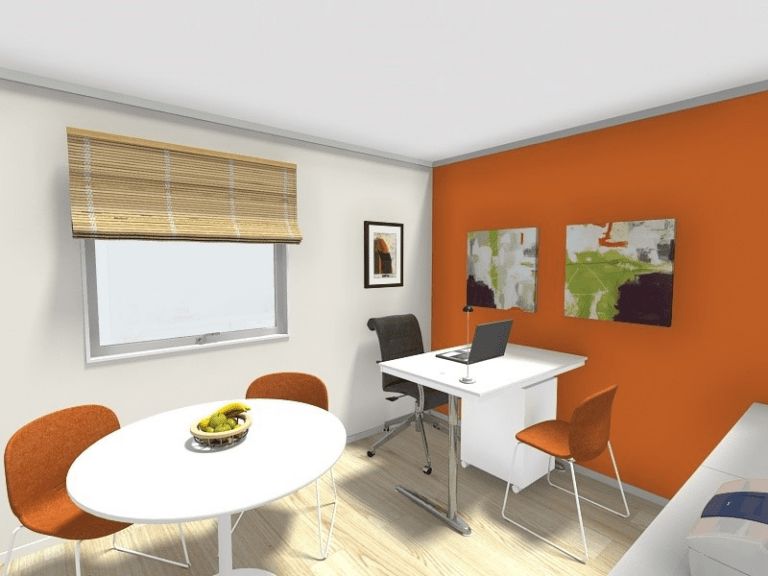
An accent wall adds interest without overwhelming the room. Use one wall in a bold or deeper color to add depth. Small pops of color in furniture or decor add energy. Keep most surfaces light to maintain a spacious look.
Incorporating Mirrors To Expand Space
Mirrors reflect light and create the illusion of space. Place a large mirror opposite a window for best effect. Decorative mirrors also add style and personality. Avoid too many mirrors to keep balance and avoid distraction.
Selecting Minimalist And Functional Decor
Choose decor that serves a purpose and looks good. Minimalist items avoid clutter and open up the room visually. Use vertical space with shelves to free floor space. Simple designs keep the office calm and focused.
Adding Greenery For Freshness And Calm
Plants bring life and color without taking much space. Small potted plants or hanging planters work well in small offices. Greenery improves air quality and reduces stress. Choose easy-care plants to keep maintenance low.
Integrating Storage Solutions
Integrating storage solutions in a small office helps keep the space tidy and efficient. Smart storage reduces clutter and maximizes every inch of available room. Choosing the right storage items can also improve workflow and make the office look neat.
Use storage that fits the office size and style. Compact options work best to avoid crowding the area. Think about combining different storage types to match your needs.
Pick furniture that offers storage and workspace in one. Desks with built-in drawers save space. Storage ottomans or benches can hold items and provide seating.
Wall shelves free up floor space for movement. Tall cabinets or bookcases keep supplies organized and accessible. Use hooks or pegboards on walls to hang tools or accessories.
Implementing Under-desk Storage
Drawers or rolling carts under desks keep essentials close. These keep the desktop clean while providing enough room for work. Choose slim options to avoid crowding leg space.
Keeping Cables And Electronics Organized
- Use cable trays or clips to avoid tangles.
- Label wires for easy identification.
- Store electronics in designated spots to reduce mess.
Regularly Decluttering Storage Areas
Sort through stored items often to remove what is not needed. Keep only essential supplies and documents. This maintains order and frees up space for new items.
Reducing Clutter For Efficiency
Reducing clutter is essential for a small office. It creates space and improves focus. A tidy workspace helps you find things quickly. Less clutter means fewer distractions and higher productivity.
Use Vertical Storage Solutions
Vertical shelves save floor space. They keep items organized and within reach. Use wall-mounted shelves or tall bookcases. This keeps your desk clear and neat.
Choose Multi-functional Furniture
Furniture with built-in storage reduces clutter. Desks with drawers or cabinets hold supplies neatly. Consider ottomans or benches with storage inside.
Implement A Filing System
Organize papers to avoid piles. Use labeled folders or filing cabinets. Sort documents by priority or project for easy access.
Limit Desk Accessories
Keep only essential items on your desk. Store extra supplies in drawers or boxes. A clean desk boosts concentration and work speed.
Regularly Declutter Your Space
Set a weekly time to clear unnecessary items. Remove old papers and unused equipment. A routine keeps your office tidy and efficient.
Credit: www.roomsketcher.com
Frequently Asked Questions
How To Maximize Space In A Small Office?
Maximize space by using multi-functional furniture and vertical storage. Keep walkways clear and arrange desks near natural light. Use wall-mounted shelves to free floor space and opt for compact, modular pieces to maintain a clutter-free environment.
What Furniture Suits Small Office Layouts Best?
Choose compact, modular desks and chairs with slim profiles. Use foldable or stackable chairs for flexibility. Opt for furniture with built-in storage to reduce clutter. Prioritize pieces that balance comfort and functionality without overwhelming the room.
How To Create A Productive Small Office Environment?
Arrange furniture to separate work zones and minimize distractions. Use ergonomic chairs and adjustable desks for comfort. Ensure good lighting and keep the office tidy. Incorporate plants or personal touches to boost morale and focus.
Where To Place Desks In A Small Office?
Place desks near windows to maximize natural light and reduce eye strain. Position desks against walls or in corners to save space. Avoid blocking walkways to maintain easy movement and accessibility.
Conclusion
Arranging furniture in a small office takes planning and care. Choose pieces that fit well and keep the space open. Use corners and walls to save room. Think about how you move and work in the space. Light colors and simple designs help the room feel bigger.
Keep things tidy to avoid clutter. With a good setup, even a small office can feel comfortable and useful. Try different layouts until you find what works best for you. Small space, big ideas.